RECOMMENDED BOOKS
A collection of books that helped me explore psychology, spirituality, business, and the questions that shaped Creed Academy.

By Dylan Thompson
·
Oct 27, 2026
A lot of the ideas behind Creed Academy began with a question I couldn’t answer. I wanted to understand why people think and behave the way they do, why certain experiences stay with us, and how we begin creating a different life when we realise the one we’re living no longer feels right.
The books below helped me explore those questions from different directions. Some introduced me to psychology, others opened my mind to spirituality, and a few helped me understand how to turn an idea into something I could share with the world.
You won’t necessarily agree with everything in every book. I certainly don’t. But each one gave me something to think about, and you may find one of them helps you see things differently, too.
Psychology, Identity, and Understanding People
12 Rules for Life — Jordan Peterson
The title alone pulled me in. Something about 12 Rules for Life made life feel a little like a game with rules you could learn, and at the time, I was looking for a better understanding of how to navigate it.
I was also watching a lot of Peterson’s lectures, so the book gave me a chance to sit with the ideas longer and explore the thinking behind them. It’s one of the books that helped me become more curious about the connection between psychology and everyday life.

Man’s Search for Meaning — Viktor Frankl
What stayed with me was how Frankl connected his psychological ideas to his own experiences. By the time he began explaining his therapeutic approach, I understood where it came from and why those questions mattered to him.
That made the psychology feel much more real to me. It’s also a relatively short, accessible book, which makes it a powerful place to begin exploring big questions about meaning and how we respond to life.

The 7 Habits of Highly Effective People — Stephen R. Covey
When I first read this, it felt like getting a glimpse into the kind of life I wanted to create. I was interested in how Covey viewed the principles and patterns behind how people live, work, and relate to others.
It made me think about the habits behind the future I imagined for myself, and how my approach to ordinary decisions could shape the life I was moving toward.

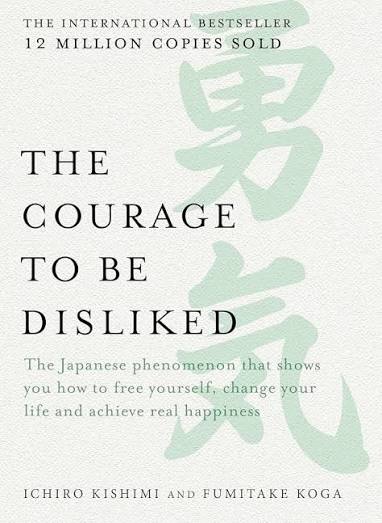
The Courage to Be Disliked — Ichiro Kishimi and Fumitake Koga
I loved the way this book was written. The conversation between a philosopher and a young man makes it feel like you’re sitting in on a mentor-student discussion.
The young man questions and challenges the ideas as they’re introduced, giving you room to think them through yourself. It’s an interesting way to explore psychology without feeling like you’re reading a textbook.
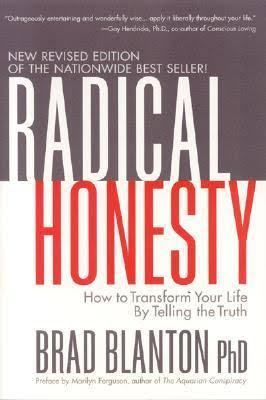
Radical Honesty — Brad Blanton
This book pushed me to become more comfortable with being myself. People can accept or reject you no matter which version of yourself you present, so it made me question how much energy I spent trying to be who I thought others wanted me to be.
It left me wondering what could change if I became more honest about who I was and who I actually wanted to become.
Strategy, Influence, and Perspective
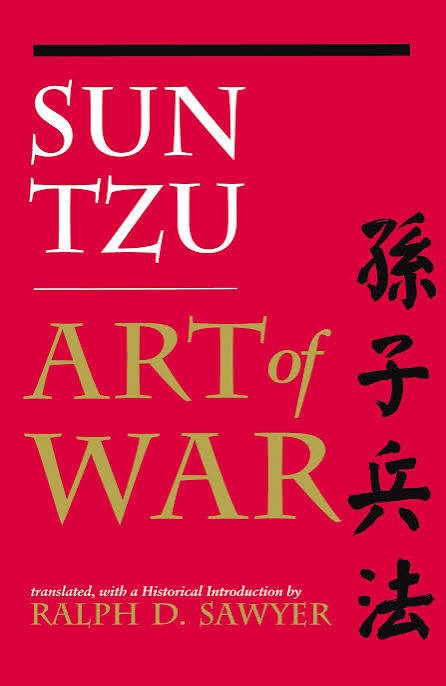
The Art of War — Sun Tzu
I don’t think I fully understood this book when I first read it. It’s one of those books that takes on a different meaning as you gain experience and return to it later.
What interests me now is how much of the strategy involves understanding people, recognising patterns, and thinking carefully before acting. You can read it quickly, but I’ve found some of its ideas stay with you long after you put it down.
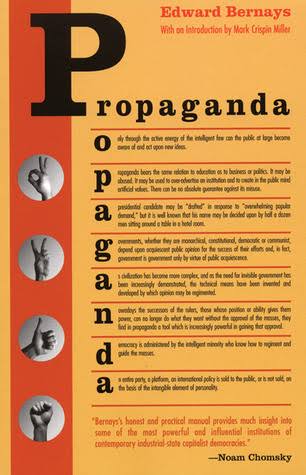
Propaganda — Edward Bernays
This book showed me a side of psychology I hadn’t thought much about. I’d been studying it to understand people and make sense of my own experience, but Bernays focused on how public opinion could be shaped by how ideas and events were presented.
What makes that even more interesting is his connection to Sigmund Freud. Bernays was Freud’s nephew and helped introduce some of his uncle’s work to an American audience. Reading Propaganda gave me another way to think about how ideas about the mind moved beyond psychology and into advertising, public relations, and the stories people encounter every day.
It left me paying more attention to the circumstances around what I believed. Where did an idea come from? Why did it appeal to me? And how much of what I saw had been shaped by how it was presented?
Spirituality and the Nature of Reality
Reality Transurfing — Vadim Zeland
This was one of the first spirituality books I read that didn’t feel religious. Its approach to reality and possibility connected with me almost immediately, even though some ideas were quite unconventional.
I enjoyed it because it offered a new way to see familiar experiences and made me curious enough to keep exploring questions I hadn’t considered before.

The Red Book — Carl Jung
What fascinated me about The Red Book was how personal it felt. It gave me a glimpse into Jung’s imagination and his exploration of symbols, dreams, and inner experience.
Seeing someone I respected in psychology engage with such personal, unconventional ideas helped me feel more comfortable exploring questions outside a conventional scientific framework. It showed me another side of a person whose work had already made me think differently.

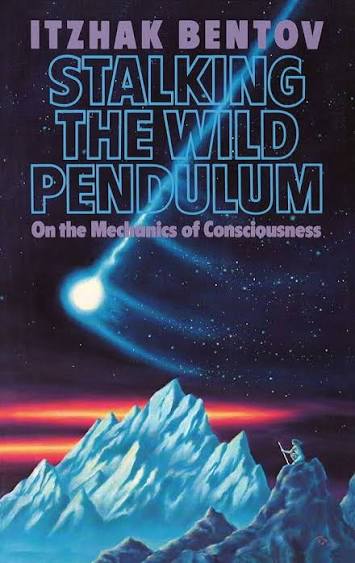
Stalking the Wild Pendulum — Itzhak Bentov
This is one of the more unusual books on the list. Bentov was an inventor who brought together ideas about consciousness, the universe, and human experience in a way I found fascinating.
I enjoyed exploring his perspective because it pushed me to think about the nature of reality in a way I hadn’t considered before. You might find yourself questioning some of the ideas, but that curiosity is part of what makes the book interesting.
Think Like a Monk — Jay Shetty
This was one of the first books that sparked my interest in spirituality. I’d started becoming curious about ideas and perspectives outside the psychology and science I’d been reading, and this felt like an accessible place to begin.
It introduced me to ways of thinking I could apply in everyday life while I kept exploring what I believed for myself.

Business and Building Something of Your Own
$100M Offers — Alex Hormozi
I’d read a few marketing books before finding Alex’s work, and after a while they started to feel like the same ideas explained in slightly different ways. $100M Offers stood out because it helped me think practically about what I was offering, who it was for, and how to make it more valuable to them.
It gave me ideas I could take back to Creed Academy and start applying, which made it much more useful to me than another book that stopped at explaining the concept.

$100M Leads — Alex Hormozi
Once you believe something can help people, you still need to help them find it. What I liked about this book was seeing the ideas applied across different situations, so I could begin thinking about how they related to my own business.
It gave me practical ways to reach people and helped me understand how attention can start a relationship.

$100M Money Models — Alex Hormozi
This book helped me think about how different offers can fit together within a business. Instead of looking at a single sale, it encouraged me to consider what happens before it, what the customer might need afterwards, and how the business supports the experience it’s trying to create.
If you’ve been through Behind the Journey, you’ll recognise why that way of thinking interests me. It helps you look at how the pieces of a business can work together over time.

Writing and Storytelling
On Writing — Stephen King
I’m interested in how someone takes an idea from inside their head and turns it into a story another person can connect with. What makes this book especially interesting is that King shares his own experience alongside his thoughts on writing.
You get to see some of the life behind the craft, which made it feel like more than a collection of writing advice. It gave me another perspective on what it takes to sit down, develop an idea, and bring it to life on the page.

Religion and the Beliefs That Shape People
The Bible
Even though I’m not religious, I found value in exploring the Bible to understand the stories and beliefs that have shaped so many people’s lives.
I was interested in what those ideas mean to the people who carry them, and how a belief can shape how someone understands themselves, their relationships, and the world around them.
The Qur’an
Reading the Qur’an gave me another perspective on the role belief can play in someone’s life. Although I don’t believe in God, I found ideas in it that made me think about strength, responsibility, and what it means to stand by your convictions.
It also gave me a reason to look more closely at a tradition that means so much to so many people, and to consider the experiences that lead someone to find meaning in it.
Buddhist Texts
My interest in Buddhist writing grew from wanting to understand perspectives on life beyond the psychology I’d already been studying. I was curious how another tradition approached the mind, suffering, and how we relate to our experiences.
Exploring those ideas gave me more to consider as I developed my own understanding of what it means to live with greater awareness.
Health and Historical Perspectives
The Encyclopedia of Health — Vintage Collection
These books gave me a foundational insight into health outside of big pharma, through an older perspective on diet, physical exercise, natural healing, and the way people cared for their bodies.
What I find interesting is being able to look back at how health was understood and discussed in 1933, then compare those ideas with the information we’re surrounded by today. Some of what you read will reflect the limitations of its time, but that’s part of why I value having the collection. It gives me another perspective to explore and question as I learn.
If you’re curious about historical approaches to health and want to see the thinking for yourself, I think these books are worth seeking out.

The links on this page are affiliate links. If you choose to buy through them, I earn a commission at no extra cost to you.
