
By Dylan Thompson
·
Oct 20, 2026
·
28 min read
The Telos Blueprint (My first video 😂)
Before Creed Academy
When I was nineteen, my parents decided to move back to New Zealand from Brisbane. We’d spent most of my childhood in Australia, but our extended family lived in New Zealand, and my dad wanted to spend more time with my Nana as she was getting older.
For my parents, the move meant returning to family. For me, it meant leaving the friends I’d grown up with, with little of a life of my own to justify staying. I moved between labour-hire jobs, spent most of my spare time gaming, and had little idea what I wanted to do next. I didn’t want to leave everything familiar, but when I thought about staying in Brisbane, I couldn’t tell you what I’d be building there.
So I packed up with them, unsure what moving to New Zealand would change.
We settled in Invercargill, in southern New Zealand. After growing up in Brisbane, I had to get used to the cold. I found a job in a bar and started studying information technology. My reasoning was as simple as you’d expect from someone who spent all his time gaming: I liked computers, and an indoor job sounded better than working outside in the wind and rain.
I wasn’t particularly drawn to a career in IT. It was a direction I could choose when I didn’t know what else to choose.
But the part of moving that I’m most grateful for now was getting to spend time with Nana.
She’d looked after me so much when I was younger. She was the one who picked me up from school with something sweet waiting on the seat, and the one we always wanted to stay with during the holidays. Being around her was so familiar that I never really stopped to consider what she meant to me.
Now I was old enough to drive to her house myself. I could pick her up and take her for coffee, or stop in for breakfast before heading off to study. After years of being the child she looked after, I could finally be the one to turn up and take her out.
About six months after we moved, she had a heart attack and passed away.
I was only just getting used to having her close enough to visit whenever I wanted, and suddenly those ordinary mornings together were memories.
I hadn’t experienced grief like that before. I knew I was hurting, but I didn’t understand what to do with it. I still had shifts at the bar and classes to attend. I could get through the things I needed to do, then fill the rest of my time so I didn’t have to sit with how I felt.
After Nana died, my parents eventually returned to Australia. I was partway through my degree and decided to stay in New Zealand to finish it. Leaving my studies halfway through felt like throwing away the one direction I’d committed to, but staying meant trying to manage a loss I didn’t understand while my parents were living in another country.
Working in a bar made drinking easy. There was always another night out, someone to have a drink with, or a reason to keep the weekend going. By Monday, I’d be exhausted. I’d spend the next few days recovering, then Thursday would arrive, and we’d start again.
Eventually, I stopped going out as much and spent more time at home smoking weed and gaming. I told myself I preferred it. I could finish work, get high, watch a movie, and shut the rest of the world out for a while.
There were moments I enjoyed. Other times, I went long stretches without doing anything outside work and study. My life had become smaller, but because each day looked much like the one before, I didn’t fully recognise how isolated I was becoming.
One morning, after smoking, I had a panic attack that left me unable to do much except lie there and focus on breathing. I kept trying to bring my attention back to the next breath because everything else felt beyond my control. For a couple of hours, that was all I could manage.
Afterwards, I remember standing in front of the mirror and looking at myself.
I was unhappy with my life, and I could already picture the following morning. I’d wake up, smoke, and begin another day that looked almost exactly like the one I’d just lived. Nothing in that routine would change on its own, and I was frightened by how easily I could keep repeating it.
I didn’t suddenly know what I wanted to become. I just knew I couldn’t keep living that way and expect to feel differently.
So I started with what I could manage. I went walking. When walking became easier, I started jogging. I bought books, even though I struggled with reading, and slowly worked through them.
Finishing a book gave me a feeling I hadn’t felt in a long time. I stuck with something difficult and finished it. That made me want to pick up another.
Philosophy led me to self-development, then to psychology. I began finding descriptions of things I’d felt but couldn’t explain. I wanted to understand why certain experiences stayed with me, why I kept returning to habits that made me unhappy, and how those habits had come to feel so normal.
For the first time, studying something felt personal. I was reading about questions I carried into my own day, and when I put a book down, I kept thinking about them.
I still had an IT degree to finish and very little idea what my future would look like. But I’d found something I wanted to understand well enough to keep coming back to it.
My very first website!
The Flight Home
After finishing my degree, I moved back to Brisbane and stayed with my parents while I looked for work. A conversation with someone at the CrossFit gym I'd joined led to an interview, and eventually a job in IT.
After years of not knowing what I was doing, I had a qualification and a job that gave me a reasonable amount of freedom. I could have kept following that direction. But I was still spending my spare time reading psychology and thinking about what else I could do with my life. My attention kept shifting between possibilities, and even after leaving the IT job, I couldn't settle into a direction that felt right.
Eventually, that restlessness became difficult to ignore.
One Friday night, a persistent thought told me to pack everything up and leave. Put my belongings in storage, book a flight, and go travelling through Southeast Asia.
I'd never travelled alone before. I had an apartment in Brisbane, a lease to honour, and no idea what I would come back to. There were plenty of reasons to put the idea aside until I'd thought it through properly.
But the thought kept returning, becoming more insistent each time.
It felt like a voice in my head telling me I needed to get out of my environment. I couldn't explain why leaving felt so necessary or what travelling was supposed to solve. I just knew that continuing the way I was living felt increasingly difficult, and for once, I wanted to listen to myself before talking myself out of it.
That Friday night, I booked a six-week trip through Southeast Asia, starting in Bali. I paid for the flights and accommodation before I had sorted out how to leave the life I was currently living.
I spent Saturday packing up my apartment, putting everything into boxes for storage. On Sunday, I spent the entire day moving it all out. By that evening, I'd packed away the belongings I'd built my life around in Brisbane, and I still hadn't worked out how I was going to get out of the lease.
On Monday, I went to the apartment manager and explained that I wanted to end my lease. She told me finding another tenant could take weeks, possibly months. Until someone took over, I would still be responsible for the rent.
My flight left on Wednesday, so I didn't have much time to find another tenant. I accepted that I might be paying rent on an empty apartment while I travelled. I'd committed to leaving, and I would have to manage that cost if it came to it.
But later that Monday, someone walked into the building manager's office looking for a one-bedroom apartment. She showed him mine, and he wanted to take it. By Tuesday, the lease was in his name.
I remember looking at how quickly it had happened and wondering what to make of it. A few days earlier, leaving had felt like an idea I couldn't reasonably act on. Now my belongings were packed away, the apartment was someone else's, and I was leaving Australia.
I'd trusted a feeling I couldn't fully explain, and the practical things I'd expected to hold me back had fallen into place.
The trip itself was exactly what I needed, but it isn't the part of the story I want to share here. The experience that would stay with me for years happened on the flight home from Bangkok to Brisbane.
I'd chosen a seat where I could recline and stand up to stretch without constantly bothering another passenger. When I boarded, a flight attendant told me my seat had changed.
By then, I was tired and ready to get home. I accepted the new seat, sat down, and a woman settled beside me. For the first part of the flight, we barely spoke.
When the food arrived, she seemed restless. She hadn't really touched her meal and kept trying to reach into her bag, but the tray made it difficult. I'd finished eating and was sitting beside her when a familiar thought came to mind.
It felt like the same voice I'd heard in Brisbane, the one that had kept telling me to pack up and leave. This time, it told me to pick up her plate and set it on mine.
I remember questioning it. We hadn't had a conversation. She hadn't finished eating. Reaching across and taking a stranger's meal seemed like a fairly strange way to introduce myself.
But as I sat there watching her struggle to get comfortable, the thought kept returning. I recognised that same persistence from the Friday night before I left Australia, although I had no idea why it was coming back over something as ordinary as a meal tray.
Eventually, I picked up her plate and put it on mine so she could lift her tray and reach her bag.
She looked at me, and for a moment I thought I'd annoyed her. I explained that I was giving her some room and that she could have the plate back.
Her response was the last thing I expected.
She told me she was a medium, and that she'd been trying to ignore what she described as spirits wanting her to speak with me. According to her, my gesture had made it difficult to keep shutting that out.
I'd been reading about spirituality and different religions, but I'd never been in a situation like this. I wasn't sure what I believed, and now a stranger on a flight was telling me she had something to communicate about my life.
I listened, curious what she might say.
As the conversation continued, she began speaking about my past. Some of what she brought up seemed to touch on experiences I hadn't told anyone about. I listened more closely, trying to understand how she knew to ask those questions.
The conversation became personal in a way I hadn't prepared for. I'd boarded the plane expecting to sleep, and now I was talking through parts of my life I'd struggled to understand myself.
At times, she leaned toward me and held my arm. Something about her warmth, her tone, and the way she spoke felt familiar. The longer we talked, the more I recognised the feeling.
She reminded me of Nana.
I don't mean that she looked like her. It was how I felt in her presence: safe with someone without needing to carefully manage what they saw of me. I hadn't expected to feel that with a woman I'd met only hours earlier, thousands of metres above the ground on my way home.
We kept talking. Gradually, the conversation moved from what I'd lived through towards what might still be possible for me.
She spoke about my future and the person I could become. I listened with the same uncertainty I'd carried through much of the conversation, but I felt myself opening up to a life I hadn't yet figured out how to build.
Towards the end of the flight, we returned to what I could do when I arrived in Brisbane. We talked about things I could explore in the present, letting the conversation go beyond the hours we'd spent together.
What affected me most was how I felt while we were speaking. I could talk without constantly wondering whether I'd said too much or whether I needed to explain myself differently. For someone who'd spent years trying to understand his own experience, having another person meet me with that kind of attention meant more than I knew how to express.
I experienced that flight as something spiritual. I still have questions about what happened, and I understand that you might interpret it differently. But when I stepped off the plane in Brisbane, the life I was returning to felt different because I felt different within it.
I wanted to understand why that conversation had reached me so deeply. I wanted to know how I could feel that connected to myself in a stranger's company, when I'd spent so much time struggling to feel it anywhere else.
That question stayed with me as I continued studying psychology and neuroscience. Alongside it was another question: could I learn to offer someone the kind of understanding I'd felt on that flight?
Before I ever built a coaching process around the past, future, and present, I'd experienced how meaningful it could feel to explore my own life that way.
Website V2
A Name and an Idea
Wanting to help someone feel understood gave me a reason to begin. Working out how to turn that into something I could actually offer took considerably longer.
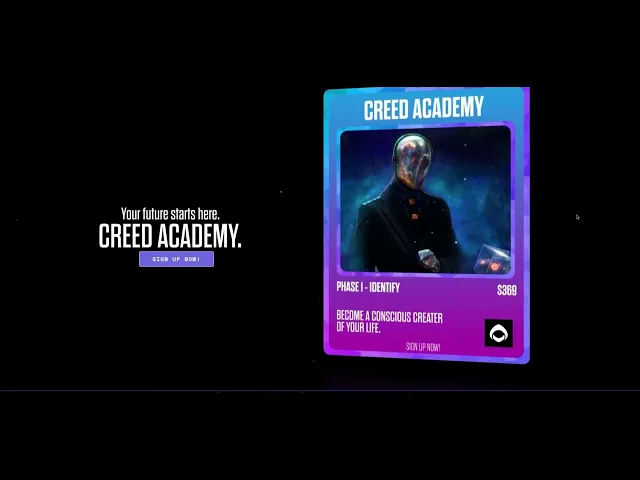
By 2024, I’d settled on the name Creed Academy. A creed is a set of beliefs or principles that guide how you live, and it interested me because I was starting to question how much of my life had been shaped by beliefs I’d never consciously chosen. I chose “Academy” because I wanted to create a place where people could explore those questions themselves.
I could spend hours thinking about what that name might become. The hard part was sitting down at my computer and figuring out what someone would actually find when they arrived.
I’d spent years reading about psychology, but I’d never opened a business book. I didn’t know how to build a website, write an offer, or explain what I wanted to do in a way that made someone want to pay attention.
Fortunately, YouTube had plenty of people who seemed confident about it all.
I watched their videos, bought their courses (don't do this!😂), and started piecing together a plan. Create an online course, build a website, make some content, and send people towards the offer. According to some of the people teaching it, six months was enough time to be making more money than I’d ever earned.
You can probably imagine how appealing that sounded. I cared about something, I wanted control over my time, and now someone was telling me there was a process I could follow to make both possible.
I believed them because I wanted that future, and I had little experience to help me judge what they left out.
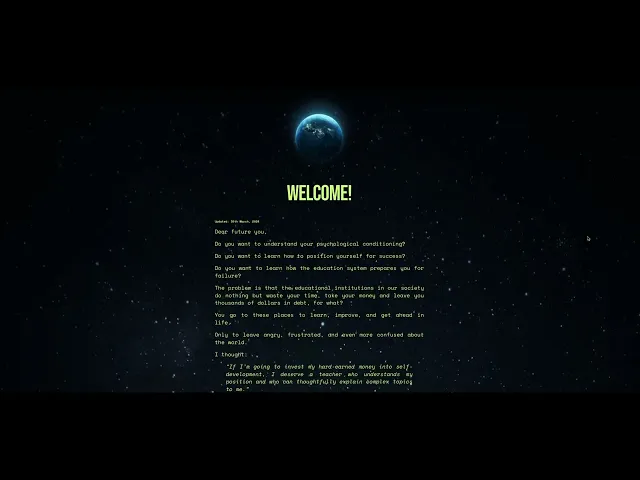
So I opened Squarespace and started building my first website.
Early versions of ChatGPT helped me work through the copy. I experimented with layouts, tried to explain the ideas I’d been studying, and slowly put together a website that made Creed Academy feel like something more than a name in my head.
For the first time, I could send someone a link and show them what I meant. Even if the website was rough, seeing it on a screen made the whole idea feel closer.
Then I had to put myself on camera.
It’s one thing to sit alone, read a book, and feel you understand an idea. Looking into a lens and trying to explain it to someone who has never heard you speak is a different experience. I was learning how to organise my thoughts while also learning how to deliver them, and at the time I couldn’t always tell which part I was struggling with.
But I got the recordings done. I watched them back, looked at the website I’d built around them, and thought I was ready to sell a $900 course.
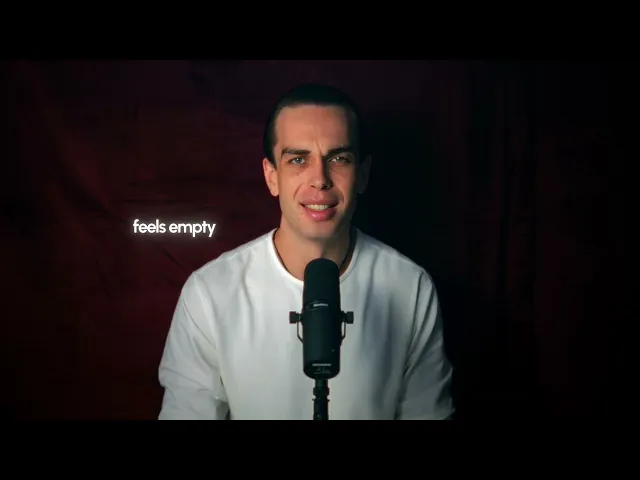
That’s the video I showed you at the beginning.
I remember how good I thought it was, which makes watching it now particularly uncomfortable. I can see the gaps in the explanation and hear how much I was still trying to work out. Back then, I was seeing the result of months spent teaching myself unfamiliar things, and I mistook how far I’d come for how ready the offer was.
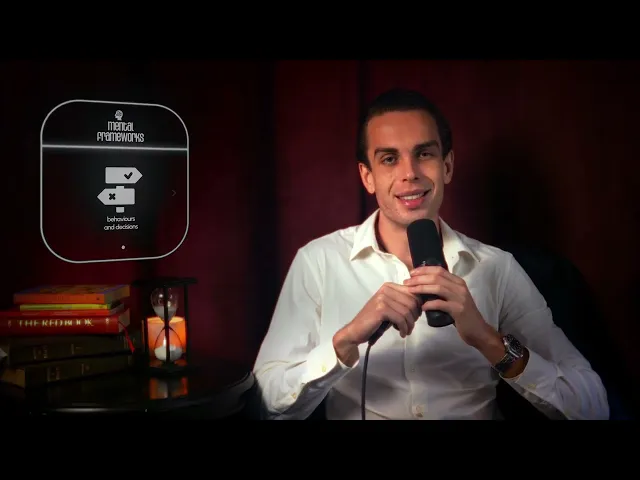
When people didn’t buy, I went looking for the next thing to fix. I decided the course needed a better introduction, so I started making video sales letters for the website. I changed the set, worked on the scripts, and recorded again.
Introduction into Creed Academy (First VSL)
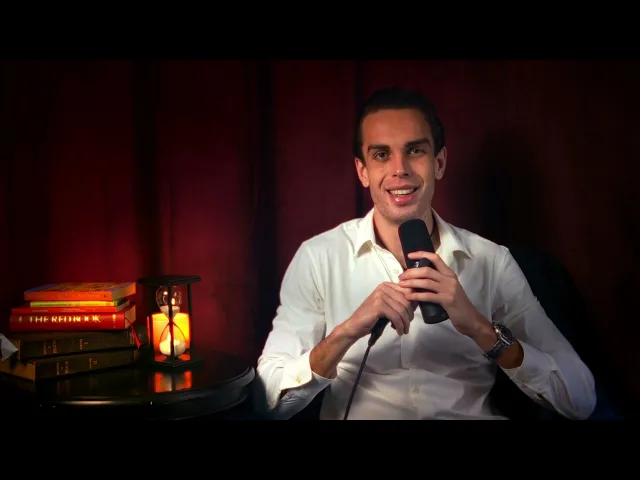
What's Inside Creed Academy (Second VSL)
Welcome to Creed Academy (Third VSL)
Each improvement gave me another reason to believe I was nearly there. I’d find advice that explained why the last attempt hadn’t worked, make the change, and wait to see whether this was the version people finally connected with.
Meanwhile, my brother was teaching himself e-commerce and dropshipping. We were both trying to build something we hadn’t built before, so we’d send each other copy, images, and website designs and ask what the other thought.
Neither of us had much experience, but it helped to have someone who understood why I could spend so long working on something that hadn’t made any money yet. I could show him what I was trying to do without first having to defend why I was trying.
We’d talked about that future long before either of us opened a website builder. We used to sit around smoking weed and watching YouTube tours of houses we couldn’t afford, imagining what it would be like to live that way. For a long time, those conversations ended with us returning to the same lives the following morning.
Now we were giving those ideas some of our time. We made things, sent them to each other, and tried to learn enough to make the next attempt better.
Eventually, he headed to Bali. I planned to join him a few months later, once my apartment lease ended. I had someone to share the process with and a plan that extended beyond the next website rebuild.
Then one morning, I messaged him to see how he was going, and he didn’t reply.

The Future We Talked About
At first, I didn’t think much of it. He might have been out drinking the night before, still asleep, or busy doing something in Bali. There were enough ordinary explanations for the silence that I carried on with my day, expecting I’d hear from him later.
But as the hours passed, I still hadn't heard back.
By then, I could barely think about anything else. Around 6 PM, I kept going back and forth about calling my parents. I didn’t want to frighten them if he was fine, but I couldn’t settle the feeling that something was wrong. I needed to know whether they’d heard from him.
They hadn’t, and hearing that they were starting to worry too made it harder to believe there was a simple explanation.
That night, I booked a flight to Bali for the following morning. I didn’t know what I would do when I arrived or where I would start looking. I just couldn’t stay in Brisbane waiting for my phone to light up with a message from him.
At about five in the morning, as I was waking up to get ready for the airport, my dad called.
He never called me at that hour. After trying to explain away my brother’s silence, seeing my dad’s name on the phone put me face to face with the possibility I’d hoped I was wrong about.
They’d received the news we were all afraid of, and now he had to tell me that my brother had passed away.
Only a few hours earlier, I’d been booking a flight, hoping I could find him. I’d been thinking about getting to Bali, finding out what had happened, and finally hearing from him. Now I was trying to accept that there would be no reply, no conversation where he'd explain why he’d been out of contact.
The future I’d been making plans around still had my brother in it. Even as my dad told me he was gone, I had no understanding of what continuing without him would mean.
My brother was the person I could share the unfinished parts of my life with. He knew what we’d talked about, what we were trying to leave behind, and why we were spending so much time learning things we’d never done before. I could send him a rough website or an idea I hadn’t worked through, and he understood what I was trying to create.
I’d imagined joining him in Bali and continuing that process together. We would work on our businesses, help each other figure things out, and hopefully reach a point where the lives we’d spent years talking about began to feel possible.
After the funeral and the practical things our family had to work through, those plans were still there. So was the website, and all the work I hadn’t finished. But I could no longer send him something I’d made or ask how his own business was going.
I had to find a way to return to a life we’d been trying to change together, knowing I’d be continuing on my own.
When Nana died, I’d spent years finding ways to escape how I felt. I remembered how easily drinking and smoking had filled the space around work and study, until getting through another day became enough and I stopped expecting much more from myself.
Losing my brother brought me close to that place again, and I recognised it. I wanted to withdraw from people, and I didn’t have much interest in explaining what I was going through. Part of me wanted to shut everything out, but I remembered how difficult it had been to find my way back after losing Nana. I was frightened of disappearing into that same void again.
I began wondering whether I could send what I was feeling somewhere else. If the pain was going to be with me when I woke up, could I direct some of that energy towards a future I still wanted?
My brother and I had spoken about having the freedom to travel, build things, and experience more of life. We’d always assumed we'd have time to work toward it. Losing him made that assumption impossible to hold in the same way. I still had a chance to try, and continuing became a way to stay connected to something we’d both cared about.
So I returned to Creed Academy, bringing far more to the work than I had before.
I spent hours studying, rewriting copy, and rebuilding the website. Every new thing I learned gave me something else to work on. I could take a page apart, work through why the explanation wasn’t clear, and try again with a little more understanding than I’d had when I first wrote it.
Having something to work on helped, since so much of what had happened was beyond anything I could change.
I trained more too. Running and working out gave my days a physical demand alongside all the thinking, and over time I found myself attempting things I wouldn’t have considered a few years earlier. I ran a half marathon in under an hour and forty minutes, completed a hundred kilometres at a backyard ultra, and stepped into the cage for my first MMA fight.
Those experiences made me realise I was capable of more than I’d known before. At the same time, I was becoming increasingly isolated and putting enormous pressure on myself to make Creed Academy work. Determination and grief were tangled, and I couldn’t always tell where one ended and the other began.
When I think about that period now, I remember how much it mattered to have something to move toward. I wanted to experience the life my brother and I had imagined, and I wanted to know I’d given myself a real chance to create it.
If you look through the websites and recordings from those months, you’ll see me trying again with a different design, a new script, or another way of explaining the same idea. What you won’t see is how much I wished I could send each version to my brother.
I kept learning and making changes, hoping I’d eventually create something people connected with.
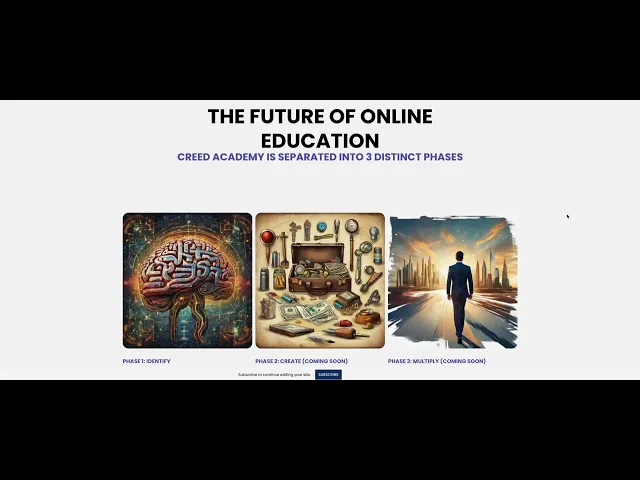
Website V3
Website V4
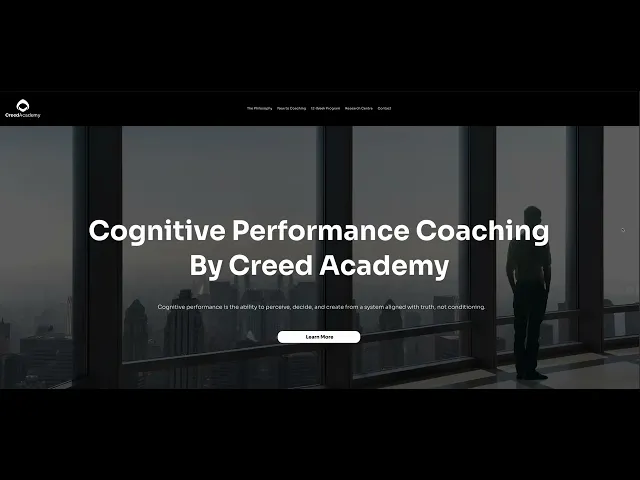
Website V5
The First Signs It Could Work
As I learned more, it became harder to look at my first recordings and believe they were the best I could do.
So I bought some inexpensive lights from Amazon and started writing again. I put together longer lectures and separate scripts for short-form content, trying to make each explanation easier to follow.
I wanted someone watching to recognise something from their own life. I knew how much it meant to find words for an experience I hadn’t understood, and I wanted to give someone else access to that understanding.
The recordings below came from that period. Compared with my first attempt, I thought I’d finally figured it out. The lighting was better, the scripts were more structured, and I’d rebuilt the website around a clearer offer.
Of course, I’d felt fairly confident about the $900 course too. But this time, something new started happening.
People watched the videos and visited the website. Eventually, someone paid for coaching.
The package was $130 USD for three 60-minute sessions exploring the past, present, and future. After so long trying to explain what Creed Academy might become, someone saw enough value in what I’d created to book time with me.
That first sale meant more than the money. Until then, I’d been making decisions largely on the belief that this could work. Now someone on the other side of the website wanted to have the conversation I’d been trying to invite people into.
I still had plenty to learn about delivering those sessions. Having an idea for how to help someone and learning to work through their individual experience were things I had to bring together through practice. But I finally had somewhere to begin.
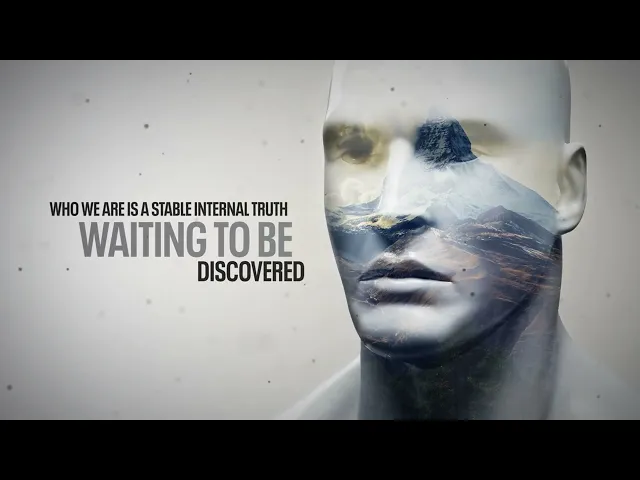
How Perception Works in the Brain (Cognitive Psychology Explained)
Then I travelled to New Zealand for my uncle’s wedding.
Over that weekend, six new clients booked.
I remember how hard it was to believe. I spent time with family and celebrated the wedding while people found the website and chose to work with me. The videos I’d recorded and the pages I’d spent so long rewriting did the work without me having to explain every part.
For months, I’d been trying to build a process I’d only heard other people describe. Now I was experiencing a small version of it myself.
You can probably understand why I thought this might finally be the beginning of things coming together. I’d had enough unsuccessful attempts to question whether I knew what I was doing, and suddenly there was something concrete to point to. People had watched, connected with the message, and booked.
But the bookings didn’t keep arriving at that pace. The initial momentum slowed, and I was left trying to understand what had made those first people respond and what I still needed to improve.
That was difficult in a different way from making no sales at all. I’d felt the relief of seeing the business work, then wondered why I couldn’t keep it going. I went back through the content and the website, looking for an answer I hoped would be obvious now that I had some experience.
During that process, I kept returning to the way I’d learned about psychology in the first place.
Books had given me room to stay with an idea. I could reread a passage, put the book down, and think about how it related to my own life before continuing. Some of the questions I was trying to explore through video needed that same kind of space.
I’d spent years filling my head with information and trying to understand my own experiences through it. I began wondering whether writing a book would help me bring those thoughts together in a way someone else could follow.
So, while I was still figuring out everything about Creed Academy, I started writing what would become my first book, The Mind That Forgot Itself.

What Keeping It Alive Cost
When I finished The Mind That Forgot Itself, I felt that familiar sense that I’d finally made what I’d been trying to make all along.
After spending so much time struggling to explain myself on camera, I could hold the ideas together in a book. Someone could read it at their own pace, return to a passage, and think about what it meant in their life. I was proud to finish it, and probably a little too willing to believe that finishing it meant everything else would now fall into place.
You’d think I would have recognised that feeling by then… 🤔😂
I started recording videos on my phone because much of the advice I was hearing had shifted toward authenticity. Stop worrying about the production, pick up your phone, and speak. After all the time I’d spent on lighting and scripts, the possibility that I could make something people connected with by simply talking was appealing.
Some of those videos did well. People bought the book, and once again I had enough encouragement to believe I was finding my way.
But the sales didn’t become consistent enough to support me, and the time I’d bought myself to work on Creed Academy was running out.
I sold my BMW S1000R, a motorbike I’d wanted long before I could afford it. I also sold my Omega Seamaster, the first luxury watch I’d bought for myself. Both had meant something to me, but keeping the business going mattered more, so I accepted that letting them go would give me another chance to make it work.
For a while, that was how I thought about the sacrifices. Each one gave me more time. If I could use that time wisely, maybe I could get Creed Academy to a point where it could support itself.
Eventually, I looked at my bank account and realised I wouldn’t be able to afford rent in two weeks.
I couldn't confidently make a website change that would solve that in time. I needed money coming in, so I contacted a labour-hire company and took a job in a chemical manufacturing warehouse.
I stood on an assembly line checking that bottle tops were tight, packing boxes, and wrapping pallets. Before I started, I’d told myself a repetitive job might be useful. I could earn enough to cover the bills and still have room in my head to think about the business.
Within days, I was getting headaches and struggling with the work environment. After five days, I quit.
That left me with the same rent to pay and even less certainty about what I was doing.
I began thinking seriously about returning to IT. I had a degree. I could find a job, move forward, and stop putting so much pressure on an idea that still wasn’t supporting me.
There was relief in imagining a regular income again. But alongside it was the feeling that I would be walking away from something I hadn’t yet learned how to make work. I’d seen people respond to the coaching and buy the book. I knew there was something worth developing, even if I couldn’t seem to turn those moments into a stable business.
And every time I thought about giving up, I thought about my brother.
I wanted to experience the life we’d talked about. I carried this private promise: if I ever saw him again, I wanted to look him in the eyes and let him know I’d followed through. The longer Creed Academy took, the harder it became to separate a struggling business from the feeling that I was letting us both down.
Eventually, continuing meant doing something I’d resisted for a long time.
I called my dad and told him I needed financial help.
I’d worked for my own money since I was fifteen. I liked knowing that if I wanted something, I could work towards it without asking my parents to pay. After all the time I’d spent trying to build financial freedom, admitting I couldn’t cover my rent was embarrassing.
But my parents were supportive. They couldn’t see everything I was trying to build, but they were willing to help me through a moment when I couldn’t manage on my own. Their help came just before the rent was due.
For a while, I kept my days as simple as I could. I ate mostly beef, rice, eggs, and Greek yoghurt because the meals were affordable, easy to prepare, and gave me enough fuel to keep training and working.
Then I returned to the writing.
The book I’d been so proud to finish was still there, but I could see how much my understanding had grown since I wrote it. Experiences I’d continued thinking through had given me more to say about identity, and I was becoming better at explaining how those ideas connected.
That work became my second book, Becoming Someone.
Compared with the first, I could feel the difference. I was clearer about what I meant and how to help readers follow along. I wrote new video scripts around the work, filmed them, and reached the point where I was ready to send the footage to my editor.
Then I watched it again.
I could see places where the explanation needed more room, where I’d moved on before the idea had properly landed. I knew what I meant because I’d spent years thinking about it. Someone hearing it for the first time wouldn’t have that history.
After everything it took to get there, deciding to rewrite everything was difficult. I wanted to hand the footage over and finally have something finished. But I also knew enough to see what I could improve, and I couldn’t comfortably ignore it.
So I went back to the scripts.
As I worked through them, the past, future, and present became the structure that helped me bring the ideas together. The questions I’d been exploring for years began to take shape into a book and three connected films.
That became Past, Future, Present, and the foundation of the Creed Academy you see today.
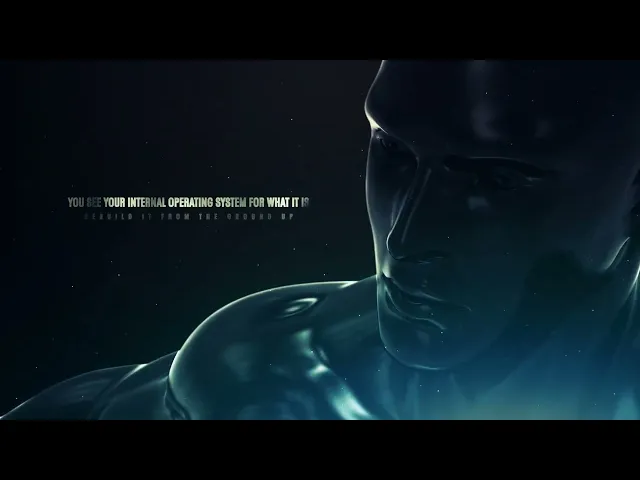
Why You Sense More Than Others (And What It Really Means)
Why I Kept the Old Footage
Looking back on the trilogy now, I can trace parts of it through almost everything I’ve shared with you here. I began asking questions after losing Nana, had a conversation on a flight I still think about, and imagined a future with my brother before either of us knew how to build it.
At the time, I couldn’t see how those experiences would make it into the work. I was trying to understand what was happening in my life while also trying to create something useful from what I was learning.
That’s what makes looking through the old recordings feel different now.
I can still cringe at the delivery or wonder how I thought a particular website was ready to launch. But I also remember how much effort went into each attempt, and how excited I was to have made something I couldn’t have made a few months earlier.
The person in those recordings didn’t know what I know now. He worked with what he understood, hoping it would be enough to get him somewhere he hadn’t been.
When I nearly deleted the footage, I judged it against everything I’d learned since I made it. I’d forgotten that making it was part of how I learned.
Without those first recordings, I wouldn’t have heard where my explanations became difficult to follow. Without building the early websites, I wouldn’t have discovered how much thinking it takes to help someone understand an idea in a few paragraphs. Each attempt gave me something specific to work through, even when the result fell short of what I’d hoped.
I’m grateful now that the first version didn’t become the version everyone knew. I wanted to communicate so much more than I knew how to express, and it took years of returning to the work before I could do those ideas justice.
I still have more to learn. But when I sit down with an idea today, I have experience I can draw on. I know how to start shaping it, where to look when I get stuck, and when I need someone else’s help.
That confidence would have meant a lot to the version of me who opened Wix for the first time.
I’m still working toward the life I want, and I haven't reached parts of that future yet. But looking back through this page, I can see how much my life has already changed while I’ve been building it. The person who struggled to finish a book has written three. The person who had no direction has spent years developing something he cares about.
And the website I once had no idea how to create has become a place where I can share this story with you.
The next chapter of Creed Academy will grow from that same willingness to learn. My aim is to keep creating books, films, and resources that help you understand how your experiences have shaped you, consider the future you want, and begin making changes in your own life.
As my understanding develops, I want the work to become clearer, more useful, and easier to connect with. Looking at the distance between the earliest attempts and what exists today gives me a reason to feel hopeful about what another few years of care could bring.
That’s also why I wanted you to see the beginning.
If you’ve been carrying an idea around and wondering whether you know enough to try it, you may have recognised something of yourself in my story. You might already be able to picture what you want to create, then feel discouraged when your first attempt looks nothing like it.
I know that feeling. I’ve spent much of this journey learning how to bridge the gap between what I can imagine and what I can currently make.
Your first step might be opening a website builder and spending an afternoon trying to put an idea into words. You may change the name, rewrite every page, or eventually realise you want to create something different.
You’ll have something to learn from that you didn’t have before you started.
I couldn’t have planned most of what I’ve shared with you here. I certainly couldn’t have predicted how long Creed Academy would take or how many times I would change it. But now I can look back and see the value in work I once thought I would throw away.
So if you do make that first website, keep a copy.
One day, you might want to show someone where you began.
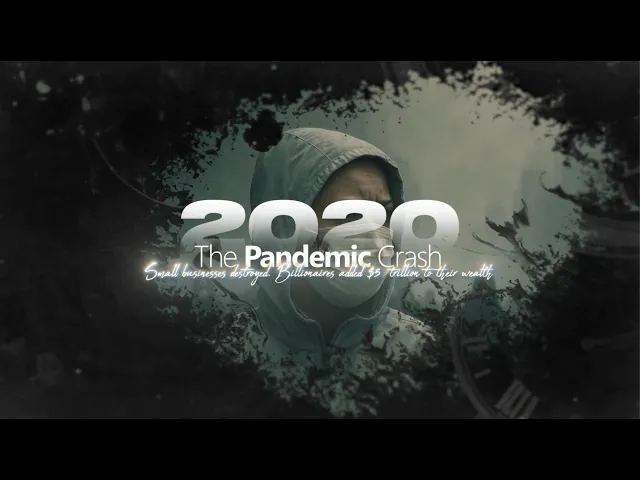
Cognitive performance coach explains how the economic system works
