The Persona and the Shadow: Carl Jung’s Insights on Identity Masks

The Masks We Wear
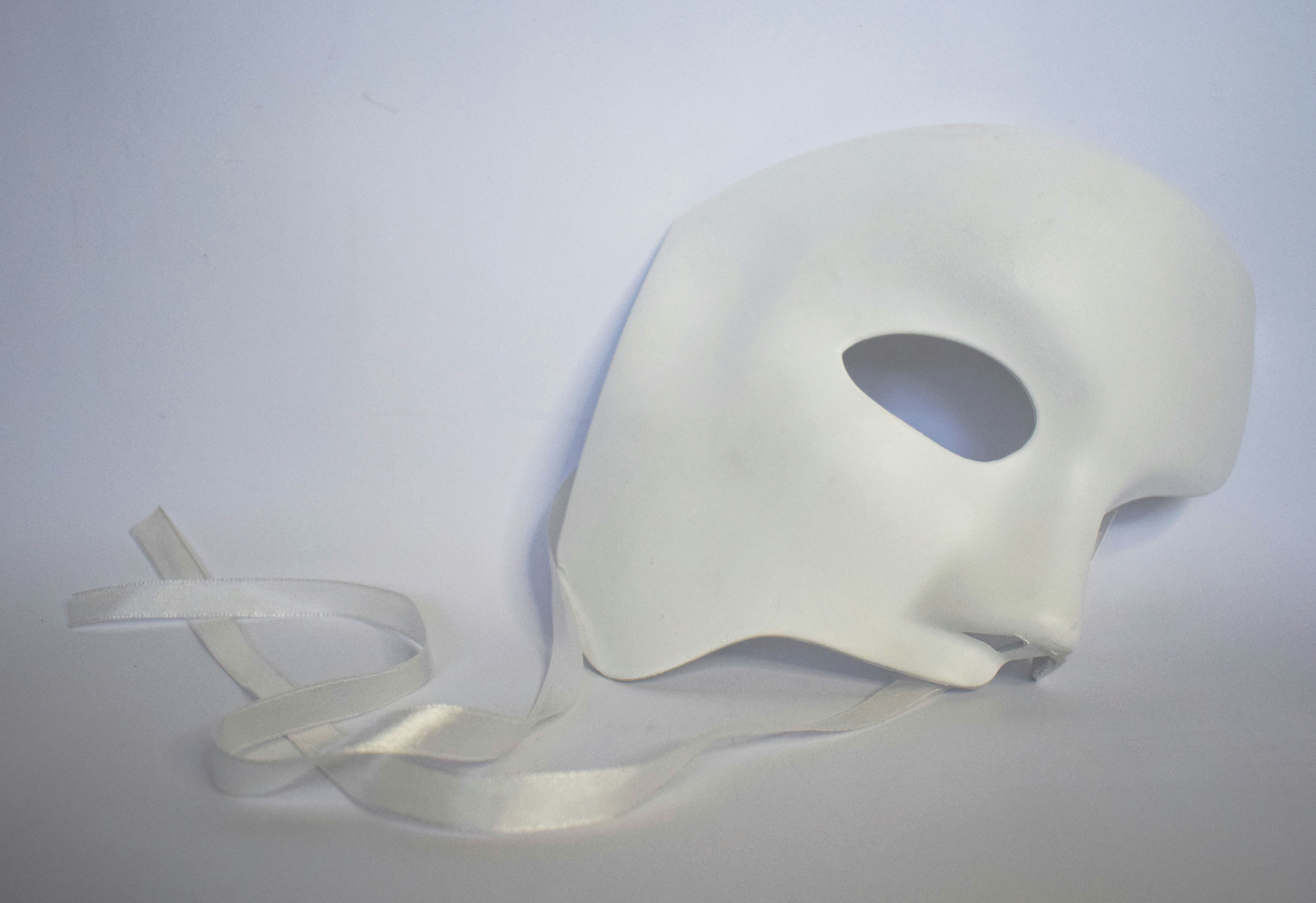
Every person moves through life wearing masks, though most never stop to notice them. These masks are not fabric or costume — they are psychological constructions. Carl Jung called the outward mask the Persona, the version of ourselves carefully crafted to win belonging, meet expectations, and shield us from rejection. Beneath the Persona lies what Jung described as the Shadow — the aspects of ourselves that were once judged, shamed, or unsafe to reveal. The Persona becomes the performance we perfect for survival, while the Shadow becomes the storage room for the traits and truths we learned to hide.
The tragedy is not that we have a Persona or a Shadow — we all do. The tragedy is when we live unconsciously, mistaking the mask for who we are and fearing the hidden parts of ourselves. This is the foundation of what I call Survival Identity: a nervous system-driven identity constructed not from freedom, but from fear.
The Persona: The Mask That Secures Belonging
Jung described the Persona as a social necessity. Without it, we would struggle to function in society. It allows us to present ourselves as professional, polite, reliable, and capable. In many ways, the Persona is a form of social currency — it gains us acceptance and creates the illusion of certainty in a complex world. But what begins as a flexible tool often calcifies into a rigid identity. Over time, people forget that the mask is not them. They confuse their adaptive role with their authentic being.
For example, the child who learns that being “the good one” earns approval may grow into an adult unable to assert boundaries, for fear that honesty will dissolve love. The teenager who discovers that achievement brings validation may become the high performer who cannot stop, fearing that failure will expose their unworthiness. In these cases, the Persona is not simply a social mask — it is a survival strategy, etched into the nervous system.
The Shadow: The Hidden Reservoir of Self
If the Persona is what we show, the Shadow is what we suppress. Jung believed that every trait we disown does not vanish — it becomes hidden, operating outside of our awareness, often surfacing in distorted ways. A child punished for anger may exile not only rage but also assertiveness and strength. A child mocked for sensitivity may bury their empathy, mistaking it for weakness. A child taught that only achievement matters may abandon creativity, play, or rest as frivolous.
The Shadow is not inherently dark. It is simply unlived. It is potential held hostage by fear. When denied, the Shadow can leak into our lives unconsciously, through projection, resentment, or compulsive behaviours. But when acknowledged, it becomes a source of vitality. Jung reminded us: “The gold is in the dark.” What we most fear in ourselves often carries the very energy we need to feel whole.
Persona, Shadow, and Survival Identity
When Persona and Shadow remain unconscious, they merge into a rigid structure — the Survival Identity. In this state, the nervous system treats the Persona as the only safe expression of self, while treating the Shadow as a danger to be avoided at all costs. This creates a split: the self we show and the self we hide.
Living in this split is exhausting. It creates constant vigilance, as if we are actors performing a role and terrified that someone will notice the script. It breeds disconnection, because relationships never feel safe enough for our full selves. And it creates the illusion of fate, as Jung warned: “Until you make the unconscious conscious, it will direct your life, and you will call it fate.” Survival Identity is precisely this — an unconscious script written long ago, repeated endlessly, mistaken for destiny.
Modern Psychology’s Echo of Jung
Though Jung’s ideas were born from depth psychology, modern research echoes his insights. Anna Freud’s work on defence mechanisms showed how repression and projection serve as protective adaptations — survival strategies that disown aspects of self. Implicit bias research by Greenwald & Banaji (1995) demonstrated how attitudes and judgments operate beneath awareness, shaping behaviour without consent. And neuroscience, particularly the study of neuroplasticity (Doidge, 2007), confirms that while these patterns run deep, they are not fixed. Suppression is not destiny. The nervous system can be taught to reintegrate what it once rejected.
The Path of Integration
Integration does not mean discarding the Persona or destroying the Shadow. Both have roles. The Persona helps us navigate society. The Shadow holds the parts of ourselves waiting to be reclaimed. The work is to bring both into awareness. To see the mask for what it is, and to see the Shadow not as an enemy, but as a resource.
This begins with noticing. What traits in others trigger disproportionate reactions in us? Often, these are clues to what we’ve buried in ourselves. From there, the practice becomes gentle experimentation — allowing small expressions of previously hidden traits, noticing that they no longer bring the danger they once did. Over time, this creates a nervous system memory that authenticity can coexist with safety.
The goal is not perfection, but flexibility. To wear the Persona consciously when needed, rather than being trapped in it. To welcome the Shadow as a reservoir of creativity, strength, and humanity, rather than fearing it. Integration is less about becoming someone new and more about becoming whole.
Closing Reflection
The Persona protected you. The Shadow safeguarded what could not yet be lived. Together, they created the Survival Identity that carried you through. There is no shame in that — it was an intelligent adaptation. But life is not meant to be lived only through masks and exiles. Jung’s wisdom, echoed now in neuroscience and psychology, points to a deeper invitation: to bring the unconscious into light, to welcome back what was lost, and to step into an identity not built from survival, but from integration.