The Pause Is Power: How Awareness Interrupts Survival Loops

The Split Second That Changes Everything
Most people think transformation happens in grand breakthroughs. But in reality, it happens in the space of a pause. That split second between stimulus and response is where survival loops either replay or dissolve. Without the pause, the nervous system runs the old script — the automatic reaction wired long ago. With the pause, you access awareness, choice, and the possibility of a different identity.
The pause is not passive. It is the most active form of power you possess.
The Autopilot of Survival Identity
When living from a survival identity, reactions come fast. A partner’s tone triggers defensiveness. A boss’s email triggers anxiety. A mistake triggers self-criticism. These responses feel immediate, but they are not inevitable. They are conditioned reflexes — loops the nervous system learned in environments where speed meant safety.
Psychologist Daniel Kahneman (2011) explained this with System 1 and System 2 thinking. System 1 is fast, intuitive, and automatic. System 2 is slower, deliberate, and reflective. Survival identity relies almost entirely on System 1. It reacts without pause, because in its original environment, hesitation could mean danger.
The Neuroscience of the Pause
Neuroscience shows that the pause is not abstract — it is physiological. Research on the amygdala and prefrontal cortex (LeDoux, 1996) reveals that when the amygdala detects threat, it triggers immediate emotional responses. However, when the prefrontal cortex is activated, it can inhibit or reframe those responses. The pause is the space where the prefrontal cortex comes online.
Mindfulness studies reinforce this. Richard Davidson (2003) found that mindfulness practice strengthens prefrontal regulation over the amygdala, allowing individuals to pause before reacting. The pause is literally the nervous system learning a new route.
The Power of Awareness
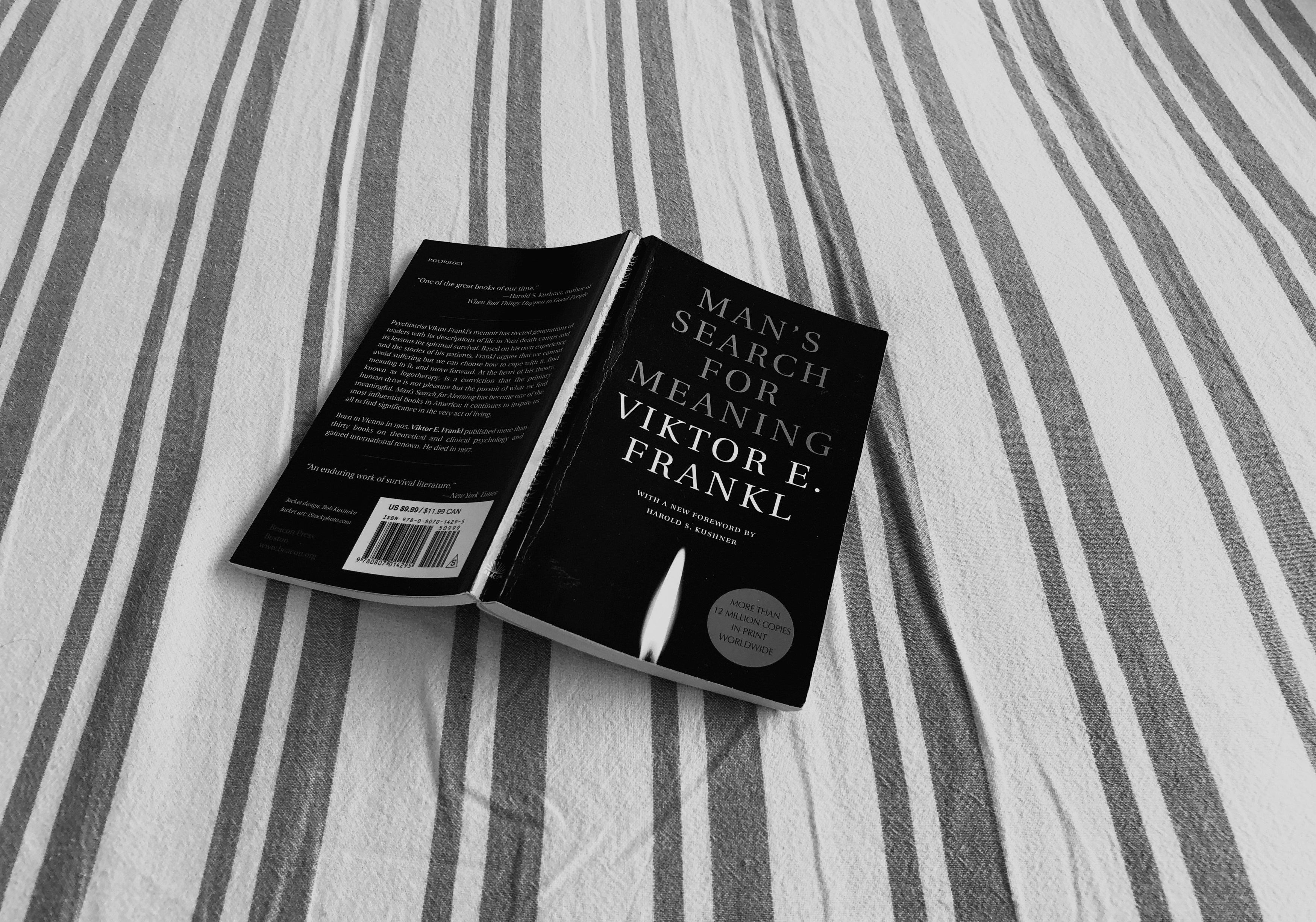
The pause is not about suppression — it is about awareness. Viktor Frankl, the Holocaust survivor and psychiatrist, captured this truth: “Between stimulus and response there is a space. In that space is our power to choose our response. In our response lies our growth and our freedom.”
When you pause, you interrupt the loop. You remind your nervous system: this is not the past. You allow System 2 to ask: What is actually happening now? What choice aligns with who I want to become?
From Pause to Cognitive Identity
The pause is the doorway to what I call Cognitive Identity. In survival identity, you live by loops. In cognitive identity, you live with awareness. Each pause weakens the old neural pathway and strengthens a new one. Over time, this rewiring shifts the architecture of identity itself.
Research on neuroplasticity (Draganski, 2004) confirms that repeated practice of new behaviours reshapes brain pathways. Every time you pause, you are not just avoiding a reaction — you are training your brain in freedom.
FAQ
Q: What does it mean to “pause” in psychology?
It means creating a moment of awareness between stimulus and response, allowing conscious choice instead of automatic reaction.
Q: Why is the pause powerful?
Because it interrupts survival loops, activates the prefrontal cortex, and gives you freedom to respond differently.
Q: How do I practice the pause?
Through mindfulness, breath awareness, and reflection — practices that train the nervous system to tolerate space before reacting.
Q: Can pausing really change identity?
Yes. Each pause rewires the brain through neuroplasticity, gradually shifting you from survival identity into cognitive identity.
Closing Reflection
The pause is not small. It is everything. It is the nervous system’s reminder that the past is not the present. It is the space where adaptation gives way to authorship. Each pause is a rehearsal of freedom, a rewiring of identity, a step into alignment. When you learn to pause, you stop being driven by survival and start living as yourself.